PCOS is more than irregular cycles. Your treatment plan should be more than metformin and birth control.
Authentic Ayurvedic treatment for PCOS in Dubai addresses the underlying metabolic and hormonal patterns — not just the symptoms. This page is written for women who have read enough Instagram posts about PCOS and want to understand what a serious 3 to 6-month Ayurvedic programme actually involves, who it works for, and where the honest limits are. Written by the female BAMS-qualified physicians at our JVC clinic.
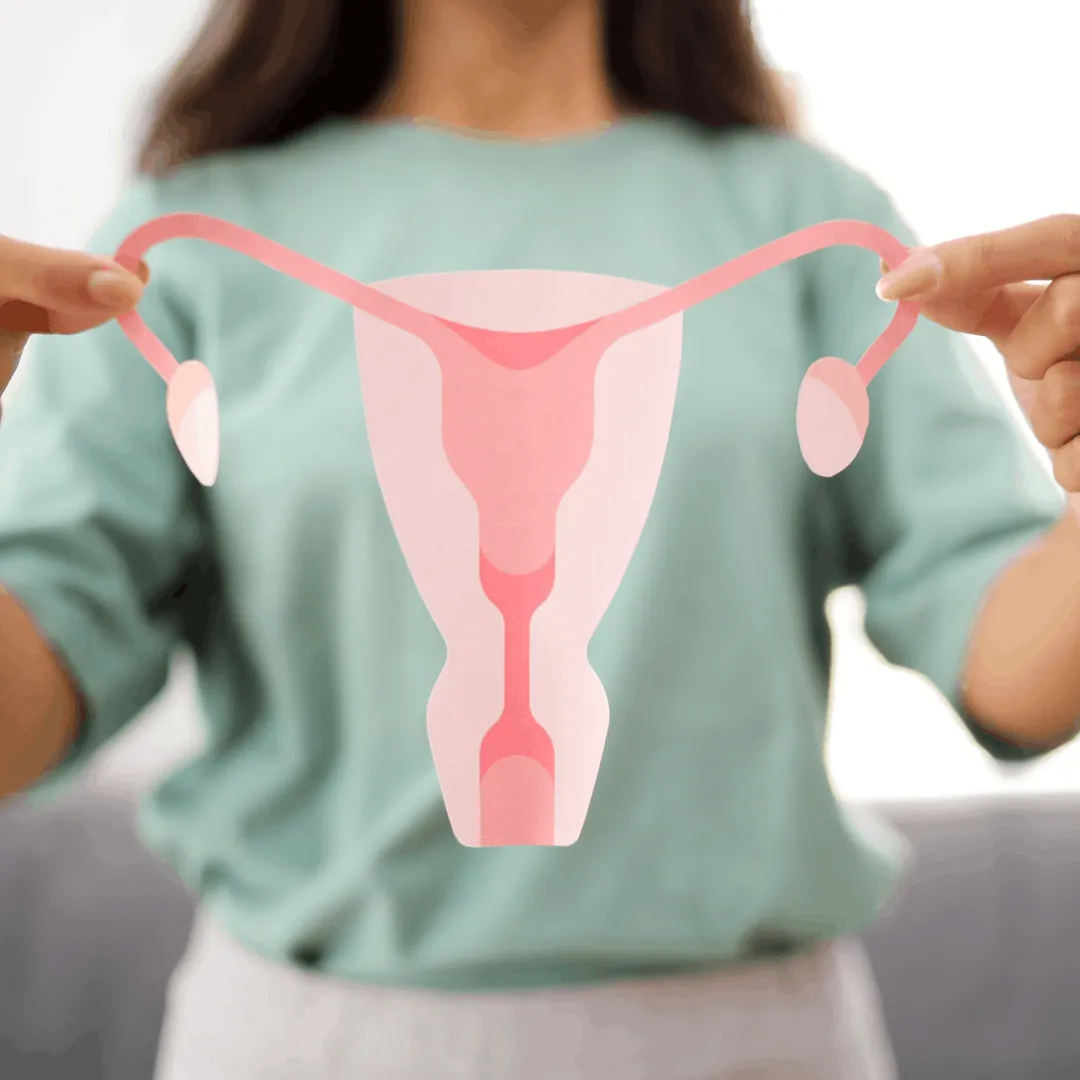
WE HEAR YOU FIRST
First consultation is 60 minutes. Most of it is you talking. We listen before we prescribe.
THE QUICK ANSWER
Ayurvedic treatment for PCOS in Dubai, in one paragraph.
Ayurvedic treatment for PCOS in Dubai is a 3 to 6-month structured programme combining classical Panchakarma cleansing protocols (Virechana and selective Basti), constitution-specific herbal medicines (typically including Shatavari, Ashoka, Guduchi, and Kanchanara Guggulu), individualized dietary regulation based on dosha analysis, lifestyle and stress management protocols, and where indicated, integration with your gynaecologist. At Vedara Care Polyclinic in Jumeirah Village Circle, our female BAMS-qualified Ayurvedic physicians design protocols for irregular cycles, insulin resistance, weight management, hirsutism, hair loss, acne, and fertility support. Initial consultations start from AED 450.
Medically reviewed by Dr. [Lead Female Ayurvedic Physician], BAMS, MD (Ayurveda), DHA-Licensed 2509266· Last updated May 2026
PCOS is the most under-treated common condition in women's health.
Roughly one in seven women in Dubai live with PCOS — a prevalence higher than the global average, partly due to genetic factors common in South Asian and Middle Eastern populations, partly due to lifestyle patterns common to expat life in the UAE.
Most are offered the same protocol: metformin for insulin resistance, combined oral contraceptives for cycle regulation, often a recommendation to 'lose weight' without specific guidance on how. For some women, this protocol works. For many — perhaps most — it manages symptoms without addressing the underlying patterns. Side effects accumulate. The acne returns. The weight does not move. The next gynaecology appointment ends with the same prescriptions and a fifteen-minute slot.
Authentic Ayurvedic treatment for PCOS does not replace your gynaecologist. It does what conventional 15-minute appointments cannot — a thorough constitutional assessment, a 3-6 month structured programme addressing the metabolic root, and the time to actually treat PCOS as the complex endocrine-metabolic-dosha imbalance it is. Your conventional doctor manages the markers. Ayurveda addresses what is underneath.
"PCOS is not one condition. It is a clinical pattern with at least four major presentations. Your treatment plan should reflect that."
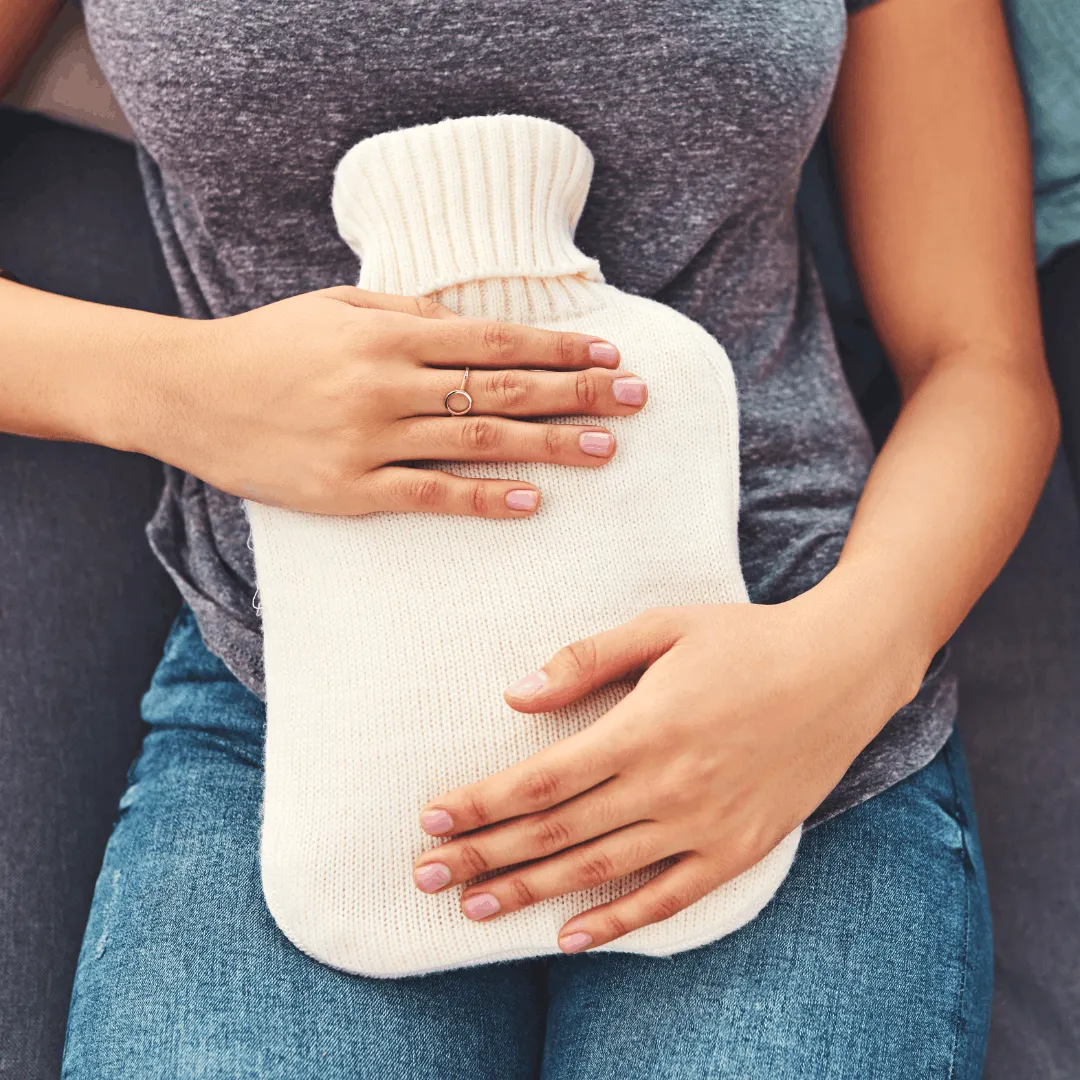
PRECISION MATTERS
There are four distinct types of PCOS. They need different treatment.
The Rotterdam criteria define four PCOS phenotypes based on which combination of features you have. Your phenotype determines your treatment priorities — not the other way around.
A
Classic PCOS
The 'full picture' presentation. Irregular or absent cycles, signs of androgen excess (acne, hirsutism, hair loss), and polycystic appearance on ultrasound. Usually the most insulin-resistant phenotype. Most commonly seen in South Asian and Middle Eastern women in Dubai, often diagnosed in late teens or early 20s.
Ayurvedic emphasis for this phenotype:
Virechana-led Panchakarma, Kanchanara Guggulu, comprehensive metabolic protocol, sustained 6-month programme
B
Ovulatory PCOS
Cycles appear regular on the surface but ovulation may be irregular or absent. Androgen symptoms present. Often misdiagnosed because cycles look normal. Common in women trying to conceive who cannot understand why.
Ayurvedic emphasis for this phenotype:
Detailed cycle-tracking protocols, Shatavari-based programmes, fertility-supportive Rasayana, 4-6 month programme
C
Non-Hyperandrogenic PCOS
Irregular cycles and polycystic ovaries on ultrasound but no acne, hirsutism, or hair loss. Often the most stress-driven and Vata-dominant phenotype. Frequently seen in athletic, high-achieving women.
Ayurvedic emphasis for this phenotype:
Stress reduction protocols (Shirodhara, Abhyanga), Vata-pacifying herbs, dietary regulation, 4-month programme
D
Mild PCOS
Androgen symptoms and irregular cycles but ultrasound is normal. Often the most controversial phenotype to diagnose. Many women in this category are told they 'don't really have PCOS' — but the metabolic patterns and symptoms are real.
Ayurvedic emphasis for this phenotype:
Dosha-specific herbal protocols, careful metabolic assessment, integration with endocrinology if needed, 3-6 month programme
Not sure which phenotype you are? Your initial consultation includes review of your existing diagnoses, ultrasound reports, and hormone panels. Most patients learn at their consultation that they are a different phenotype than they had been treating themselves as.
THE TREATMENT APPROACH
PCOS treatment in classical Ayurveda has four pillars. Skip any one and outcomes plateau.
Panchakarma Cleansing
The classical detoxification protocol that addresses insulin resistance, lipid metabolism, and hormonal clearance. For PCOS, Virechana (medicated purgation targeting liver and Pitta) is the most-prescribed action, often followed by selective Basti (medicated enema). Typically performed once during the programme — usually in month 2 — over 7-14 days. Learn more in our Panchakarma guide.
Constitution-Specific Herbal Medicines
Internal Ayurvedic medicines selected for your dosha pattern, phenotype, and specific symptoms. Core medicines often include Shatavari (for hormonal balance), Ashoka (for uterine support), Guduchi (for metabolic and immune support), and Kanchanara Guggulu (for follicular regulation). Specific combinations are dosed for 3-6 months with adjustments at each monthly review.
Individualized Dietary Regulation
Not a generic 'PCOS diet.' A specific eating protocol designed around your dosha, your phenotype, your insulin resistance markers, and your real life in Dubai — accounting for your cultural food preferences, work schedule, family meals, and access to ingredients. Implemented gradually. Sustainable for the 6 months it takes to see meaningful change.
Lifestyle, Sleep & Stress Protocols
PCOS is profoundly stress-responsive. Cortisol dysregulation worsens insulin resistance. Sleep quality affects every hormone in your body. Our programmes include specific protocols for sleep (often Shirodhara-supported), stress regulation, exercise prescription, and lifestyle modification — calibrated to what you can actually sustain.
Each pillar without the others delivers incomplete results. The 'herbal medicine alone' or 'just do Panchakarma' approaches that some clinics offer for PCOS are exactly why patients return six months later having seen little change.
What six months of PCOS treatment at Vedara Care actually looks like.
A representative protocol. Your specific plan varies based on phenotype, symptom severity, and life context — but this gives you a realistic picture of the commitment and what unfolds.
Assessment & Foundation
- Initial 60-minute consultation with female Ayurvedic physician
- Review of existing diagnoses, ultrasounds, hormone panels, current medications
- Pulse diagnosis, dosha assessment, phenotype classification
- Cycle history mapping and symptom baseline
- Initial herbal medicine protocol begins
- Dietary plan introduced gradually
- Weekly Abhyanga (3-4 sessions) for foundational Vata pacification
Panchakarma Cleansing
- 7-14 day Panchakarma programme (timing planned around your cycle)
- Pre-Panchakarma preparation (Snehapana, Abhyanga, Swedana)
- Virechana as primary action; selective Basti where indicated
- Structured Paschatkarma (recovery) with specific dietary protocol
- Resumption of monthly herbal medicines with adjusted dosing post-Panchakarma
Active Treatment Phase
- Mid-programme doctor review with updated assessment
- Refined herbal medicine protocol
- Dietary plan deepened based on response
- Specific lifestyle protocols added (sleep optimisation, stress regulation)
- Weekly or fortnightly Shirodhara if stress is a major factor
- First cycle data review (typically 2-3 cycles since starting)
Consolidation
- Continued herbal medicines with phenotype-specific adjustments
- Continued dietary protocol with cultural integration
- Possible second short Panchakarma (5-7 days) for complex phenotypes
- Ongoing symptom and cycle tracking
- Lab work review (if you bring updated hormone panels)
Refinement
- Personalised medicine protocol approaching maintenance dose
- Dietary plan transitioning to long-term sustainable version
- Stress and sleep protocols becoming habit rather than effort
- Discussion of fertility timing if applicable
- Plan for life beyond the active programme
Discharge & Long-Term Plan
- Final comprehensive review
- Transition to maintenance protocol
- Home herbal protocol (3-month maintenance course)
- Lifestyle and dietary plan documented for long-term
- 3-month and 6-month follow-up appointments scheduled
- Annual return visits recommended for many patients
This is a representative 6-month programme. Some patients need 4 months, others need 9. Some need a second Panchakarma in month 4 or 5. Some need ongoing support beyond 6 months. Your plan is documented and updated at each monthly review — never a static package.
REALISTIC EXPECTATIONS
What changes when — symptom by symptom.
PCOS symptoms respond on different timelines. Understanding this prevents the disappointment of expecting acne to clear in week three when realistically it takes 8-12 weeks.
Irregular Cycles
The most-asked-about symptom. Most patients see initial cycle changes within 2 months — first cycle typically more predictable than baseline, second more so. Substantial regulation (cycles within a 28-35 day window) usually emerges by months 3-4. Full stability typically by month 6.
Insulin Resistance and Weight
Insulin resistance markers (HOMA-IR, fasting insulin) typically show change on bloodwork by month 3-4. Weight changes vary enormously — some patients see meaningful loss by month 4, others not until month 6 or beyond. Body composition (muscle vs fat ratio) usually improves before scale weight does.
Acne and Skin
Hormonal acne is one of the slower-responding symptoms. Initial improvement in skin texture and oiliness often visible by month 2. Significant acne reduction typically emerges months 3-5. Old acne scarring takes longer or requires dermatology integration.
Hirsutism (Unwanted Hair Growth)
The slowest-responding PCOS symptom. Hair follicles affected by androgen exposure need 4-6 months to show pattern change. Realistic expectations: thicker hair growing in finer over months 4-6. Existing hair density does not reduce; new growth pattern shifts. Cosmetic hair removal often continues alongside.
Hair Loss (Scalp)
Androgenic hair thinning responds to reduced androgen activity but new hair growth is slow. Reduction in shedding typically by month 2-3. Visible regrowth by month 5-6. Long-term hair density restoration takes 8-12 months total.
Mood, Energy, Sleep
Often the first symptoms to improve — sometimes by week 4-6. Reduction in PMS severity, menstrual migraine reduction, improved sleep quality, more stable energy through the day, and lower baseline anxiety usually emerge in the first 6-8 weeks. This early improvement is often what keeps patients committed through the slower-changing symptoms.
Your specific timeline depends on phenotype, severity, adherence to dietary and lifestyle protocols, and underlying factors like genetics and life stress. We track each symptom monthly and adjust the protocol based on response.
PCOS, fertility, and Ayurveda — honestly.
Many women with PCOS come to Ayurveda specifically because they are trying to conceive. The honest position is this: Ayurvedic treatment cannot replace fertility medicine, but it can meaningfully improve the conditions in which fertility medicine works.
What Ayurvedic treatment for PCOS can realistically do for fertility: improve cycle regularity, support ovulation in some Phenotype B and C patients, reduce insulin resistance that interferes with implantation, address inflammation, and improve overall metabolic health before conception. For many women with mild to moderate PCOS, this is sometimes enough to conceive naturally.
What Ayurvedic treatment cannot do: induce ovulation in patients with severe anovulation, address tubal factors, replace IVF or IUI when fertility specialists indicate them, or guarantee conception. For severe PCOS phenotypes or longer-standing infertility, Ayurveda is most useful alongside a fertility specialist — improving the body's response to treatment rather than replacing it.
We work with several Dubai fertility clinics for joint patients. Many of our most-successful conception stories involve Ayurvedic preparation for 3-6 months, then IUI or IVF — and the fertility specialist often comments on how responsive the treatment cycle is.
HONEST CLINICAL BOUNDARIES
When we refer you elsewhere first.
Ayurvedic treatment for PCOS is powerful. It is not the right starting point for every woman.
GET EVALUATED FIRST
When conventional evaluation comes first
- You have not had a recent gynaecological evaluation (Ayurveda complements, does not replace)
- You suspect non-PCOS hormonal disorders (Cushing's, thyroid disorders, adrenal hyperplasia, prolactinoma)
- You have been bleeding for more than 14 consecutive days (needs urgent evaluation)
- You have severe pelvic pain (needs to rule out endometriosis, fibroids, other pathology)
- You are pregnant or could be pregnant (different protocols entirely)
- You have undiagnosed mental health symptoms that need primary attention
BEST USED IN COMBINATION
When Ayurveda works best alongside, not instead
- You are on metformin and want to address root patterns alongside (Ayurveda can complement, sometimes allow dose reduction over time with your gynaecologist's input)
- You are trying to conceive and using ovulation induction (Ayurvedic preparation improves cycle response)
- You have insulin resistance with diabetes risk (Ayurveda alongside endocrinology, not instead)
- You are post-bariatric surgery (Ayurvedic support, not primary)
- You have severe acne requiring dermatology (Ayurveda for root, dermatology for active lesions)
Real Ayurvedic doctors at our JVC clinic refer to your gynaecologist, endocrinologist, fertility specialist, or dermatologist when appropriate — and coordinate care, not compete with it.
Real PCOS outcomes from our JVC clinic.
"Twelve years on birth control to manage cycles. Six months of Ayurveda, and my cycles came back on their own."
Priya R.
Phenotype A (Classic PCOS) · 6-Month Programme · JVC District 12 · February 2026
"I was told 'you don't really have PCOS.' Vedara confirmed Phenotype D and treated the real condition. I lost 11 kilos in 6 months — not as a diet, as a side effect of the treatment working."
Aisha M.
Phenotype D (Mild PCOS) · 6-Month Programme · Al Barsha South · January 2026
"Three years of IVF that did not work. Four months of Ayurvedic preparation, then one more IVF cycle. We have a 7-month-old daughter."
Anonymous (on request)
Phenotype B · Fertility-Focused Programme · Dubai Marina · 2025
74%
reported cycle improvement
87
PCOS reviews
4.9
4.9 stars on Google
What Ayurvedic PCOS treatment in Dubai actually costs.
Indicative pricing for our three most-common PCOS programmes. Final pricing depends on phenotype, severity, and treatment intensity agreed at consultation.
PCOS Initial Assessment
- Comprehensive consultation with female Ayurvedic physician
- Review of all existing diagnoses, scans, hormone panels
- Phenotype classification (Rotterdam criteria)
- Pulse diagnosis and dosha assessment
- Written treatment plan with realistic expectations
- Full programme pricing provided in writing
- 30-day initial herbal medicines included (if you choose to start)
First step for every PCOS patient — required before any treatment programme
Standard PCOS Programme
- All Initial Assessment components
- 6 months of herbal medicines (with monthly adjustments)
- One Panchakarma cleansing programme (7-14 days, typically month 2)
- Weekly Abhyanga during first month, fortnightly thereafter
- Shirodhara as indicated (typically 7-14 sessions)
- Monthly doctor reviews with protocol adjustments
- Dietary, lifestyle, and stress protocols throughout
- 3-month and 6-month follow-up after programme
Standard PCOS treatment for Phenotypes A, B, and C; most patients fit this programme
Comprehensive PCOS + Fertility
- All Standard Programme components
- Additional fertility-specific protocols
- Coordination with your fertility specialist (if applicable)
- Cycle-specific timing of therapies for ovulation support
- Extended herbal protocol with fertility-supportive medicines
- Second Panchakarma (if indicated for conception preparation)
- Coordinated handover for IUI/IVF cycles if planned
- Extended 12-month follow-up
Women trying to conceive with PCOS, coordinated with fertility care, intensive multi-modal protocol
Insurance direct-billing available with seven major insurers — coverage for Ayurvedic women's health varies by plan. WhatsApp us before booking to confirm coverage.
What women ask before starting Ayurvedic PCOS treatment.
For specific treatment details, see the Panchakarma and treatment pages. For women's health blog posts on PCOS, see our journal.
Ask the TeamVISIT US
Where PCOS treatment happens at Vedara Care.
NEARBY LANDMARKS
- ✓Next to Circle Mall ·FIVE Jumeirah Village · JVC District 12 · JSS Private School
DISTANCE FROM DUBAI COMMUNITIES
READY?
Begin with the consultation you have not had before.
Most women with PCOS have had short conventional appointments where they felt unheard, misunderstood, or dismissed. The first thing we do differently is give you 60 minutes. Most of it is you talking. We listen before we prescribe. By the end, you will have a clear written plan — including honest expectations about what is possible in 6 months, what is harder, and what will not change.
Initial consultation from AED 450 · Female Ayurvedic physicians · 60-minute appointments · Insurance direct-billing · Free clinic parking
EXPLORE FURTHER
Related pages.
Panchakarma in Dubai
The classical cleansing protocol used in nearly every PCOS programme. Full description of the five actions and what to expect.
Learn moreShirodhara in Dubai
For PCOS patients with significant stress, sleep, or anxiety components — often integrated into the treatment programme.
Learn moreAbhyanga Massage in Dubai
Used throughout PCOS programmes for Vata pacification and supportive therapy alongside the main protocol.
Learn moreOur Ayurveda Clinic in JVC
The full picture of our Ayurveda department, doctors, treatments, and other conditions we treat.
Learn more