Carbon Laser Peel in JVC: Treatment, Benefits, Results & Cost
Dubai’s climate can leave skin feeling oily, tired, or congested, especially when heat, dust, sunscreen, and air conditioning become part of everyday life. If your pores look enlarged, your skin feels rough, or your complexion has lost its natural freshness, Carbon Laser Peel in JVC may be worth considering. The treatment uses a carbon-based layer followed by a gentle laser pass to refresh the skin and improve its overall appearance. At Vedara Care Polyclinic in Jumeirah Village Circle, our dermatology team provides personalised skin treatments based on your concerns and skin condition. This guide explains the procedure, suitability, expected results, and aftercare.
Why is Carbon Used?
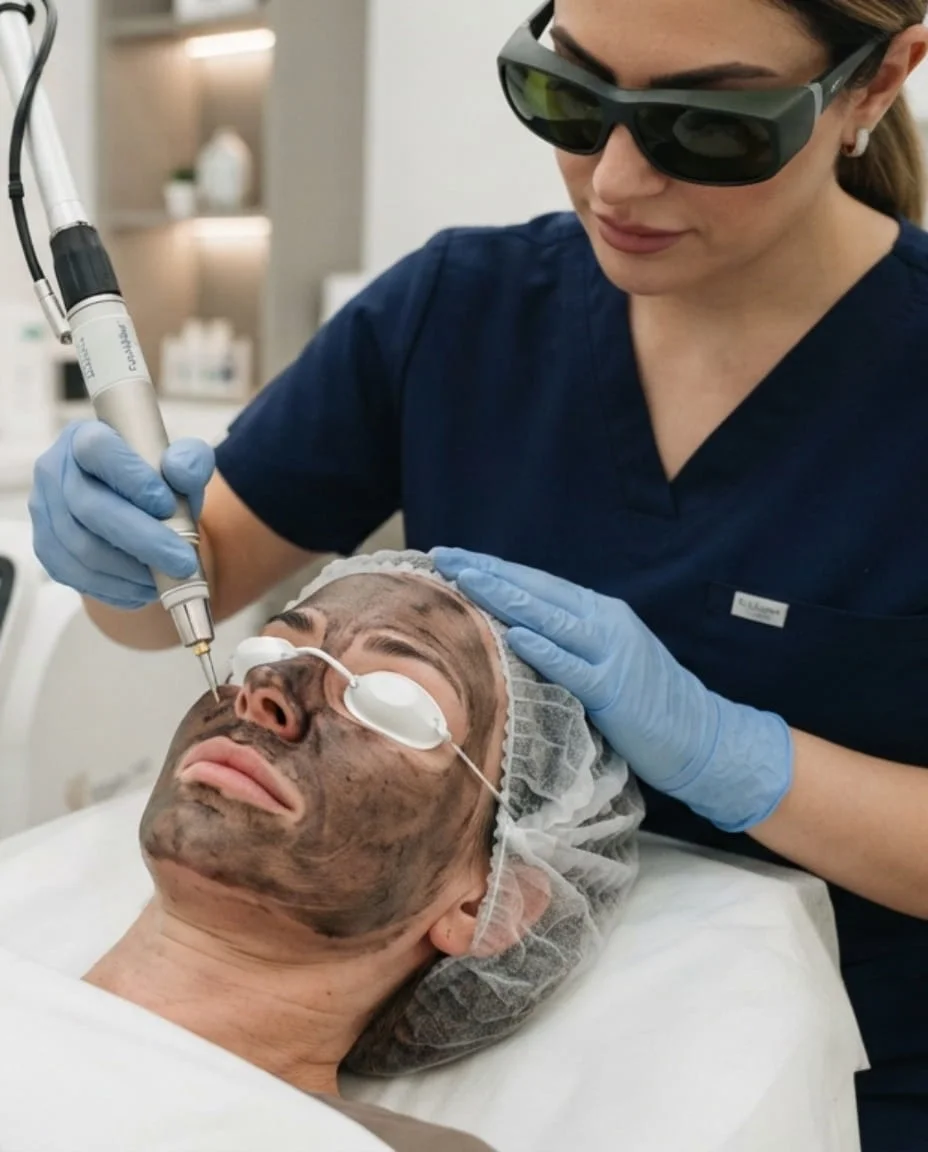
The carbon layer is one of the more distinctive parts of this treatment, and patients often ask what it’s actually doing. In simple terms, a thin coat of a carbon-based lotion or solution is applied across the treatment area and left to settle into the surface of the skin — including into pores, where it can bind with some of the oil and debris sitting there.
THE QUICK ANSWER
Carbon Laser Peel at Vedara Care, in one paragraph.
Carbon Laser Peel in JVC at Vedara Care Polyclinic in Jumeirah Village Circle (JVC), Dubai, is a non-invasive skin treatment that uses a carbon-based lotion followed by a controlled laser treatment to refresh the skin’s surface. It may be considered for concerns such as excess oil, clogged pores, dullness, uneven texture, and a tired-looking complexion. Before treatment, the skin is assessed to determine whether the procedure is appropriate for your individual needs. Carbon Laser Peel generally involves little downtime, although results and suitability vary depending on skin condition, treatment goals, and the number of sessions recommended by your dermatology professional.
Why Is Carbon Used & Step-by-Step Procedure
The carbon layer acts as a targeted contact medium. It binds with surface oil and debris, which is then lifted away as the laser interacts with the layer.
Why Is Carbon Used in the Treatment?
The carbon layer is one of the more distinctive parts of this treatment, and patients often ask what it’s actually doing. In simple terms, a thin coat of a carbon-based lotion or solution is applied across the treatment area and left to settle into the surface of the skin — including into pores, where it can bind with some of the oil and debris sitting there.
Once the laser device passes over the treated area, it interacts with that carbon layer at the surface. As the layer is broken down and lifted away during the procedure, some of the trapped oil, dead skin cells and surface impurities are carried away with it. That’s the general mechanism patients are told about during a consultation — a way of using the carbon as a kind of targeted contact layer, rather than treating the laser and the skin in isolation from each other. We won’t go further into the technical laser physics here, since that detail matters less to a patient than understanding what the process is trying to achieve: clearer-looking pores, reduced surface oil, and a smoother, fresher surface appearance.
Stage 1 — Skin evaluation
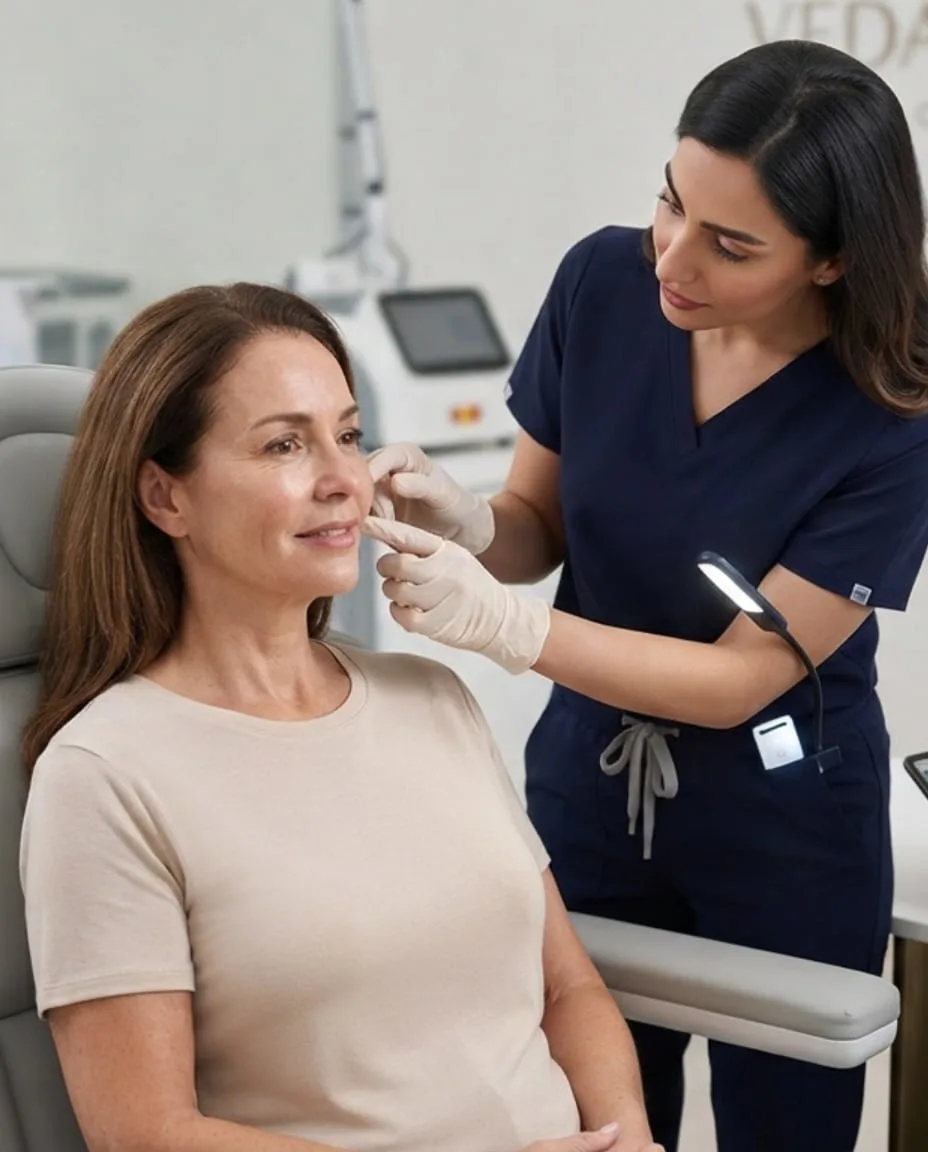
A clinician looks at your skin type, current concerns, and any relevant history before deciding whether the treatment is appropriate that day.
Stage 2 — Skin preparation
The treatment area is cleansed thoroughly so the carbon layer can be applied to clean skin.
Stage 3 — Carbon application
The carbon-based solution is applied evenly across the treatment area and left to settle for a short period.
Stage 4 — Laser treatment
The laser device is passed over the treated skin, interacting with the carbon layer.
Stage 5 — Removal of the carbon layer
Any remaining residue is cleaned from the skin.
Stage 6 — Post-treatment skin care
A suitable moisturiser and, where appropriate, sunscreen are applied, along with aftercare guidance.
"The carbon layer binds with oil and debris, so the laser targets the carbon rather than the skin directly, providing a clean surface exfoliation."
KEY TREATMENT PARAMETERS
Exfoliation
Carbon/laser vaporisation lifts outer dead skin layers
Oil Control
Targets sebum and surface grime inside pores
Downtime
Minimal for most patients, mild redness possible
SKIN TYPE SUITABILITY SPECTRUM
Oily
Combo
Normal
Dry
Sensitive
Acne
Oily & combo respond best · Dry & sensitive require caution and adjustment
Inside a Carbon Laser Peel Appointment
Understanding what a session actually involves and what it feels like helps set realistic expectations.
The Consultation
TYPICAL SIGNS:
- TIMING: Included in first appointment
- RED FLAG: Irritation or sunburn means postpone
What Does It Feel Like?
TYPICAL SIGNS:
- PAIN LEVEL: Not typically painful, warmth & snapping
- SENSITIVITY: Skin that is reactive may feel it more
Carbon Laser Peel for Men & Women
TYPICAL SIGNS:
- MEN: Shaving timing relative to session is adjusted
- WOMEN: Targets makeup congestion and T-zone oiliness
Contraindications
TYPICAL SIGNS:
- AVOID IF: Sunburned, infected or compromised barrier
- DETERMINATION: Clinician assessment on the day
Skin Concerns Carbon Laser Peel May Help Address
A clinical, targeted treatment built around oil, pores, texture, and congestion.
Excess Surface Oil
Patients dealing with a consistently oily-looking complexion — shine returning within hours of cleansing, makeup sliding by midday — are among the most common candidates. The carbon-and-laser combination is designed to lift some of that surface oil and reduce visible shine in the short term. Sebaceous glands will continue normal activity, so the effect is temporary.
Enlarged-Looking Pores
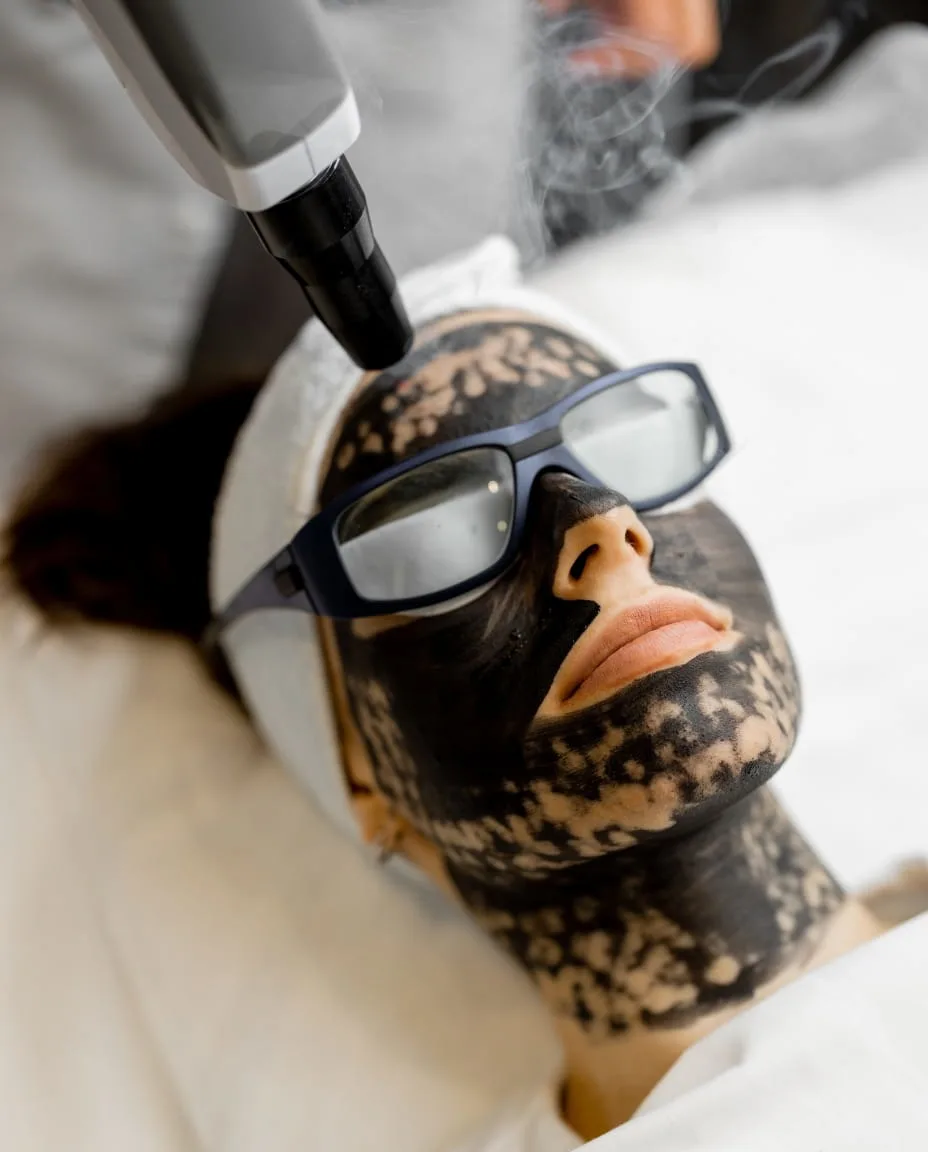
Pores look more visible due to a combination of oil, trapped debris, and the way light catches textured skin. Clearing some of that congestion can make pores look less prominent in the short term, but no cosmetic treatment can physically shrink or permanently close a pore.
Dull-Looking Skin
A buildup of surface debris and dead skin cells is a common contributor to a tired, flat-looking complexion. Removing some of that surface layer, alongside the oil-clearing effect described above, is part of why patients often report their skin looking fresher directly after a session. As with most cosmetic effects, this tends to fade gradually as the skin’s natural cycle continues.
Uneven Texture
Rough or uneven-feeling texture, particularly around the nose, chin, and forehead, often relates to a mix of oil, congestion and surface buildup. The treatment’s exfoliating effect may leave the surface feeling smoother, though how noticeable this is depends heavily on your skin’s starting condition.
Congestion and Blackheads
The treatment's lifting effect on trapped debris can offer some visible improvement, though deeply set or long-standing congestion may need more than one session, or may respond better to a treatment specifically built around mechanical extraction.
Mild Acne-Prone Skin
For patients with mild, non-inflamed acne-prone skin — think occasional blackheads and light congestion rather than active breakouts — Carbon Laser Peel may be considered as part of a broader skincare approach. It is not built to treat active inflammatory acne, cystic acne, or the underlying causes of persistent breakouts. For that, our acne treatment programme in JVC takes a more targeted, medically led approach, and a dermatology assessment is generally the better starting point when acne is the primary concern rather than a secondary one.
Carbon Laser Peel and Different Skin Types
Not every skin type is automatically a good fit, and that’s precisely why the assessment stage exists rather than being treated as a formality.
Oily Skin
TYPICAL SIGNS:
- High compatibility
- Targets sebum & shine
Combination Skin
TYPICAL SIGNS:
- Highly customisable
- Zone-by-zone adjustment
Normal Skin
TYPICAL SIGNS:
- Texture refinement
- General brightness
Dry Skin
TYPICAL SIGNS:
- Requires extreme caution
- Potential protocol adjustment
Sensitive Skin
TYPICAL SIGNS:
- Assessment required
- Gentler alternatives exist
Acne-Prone Skin
TYPICAL SIGNS:
- Mild non-inflamed only
- Medically assessed suitability
Results: What Can You Realistically Expect?
Patients often describe a fresher-looking complexion, smoother-feeling texture, reduced surface oil, and cleaner-looking pores in the period after treatment. Some also notice a general improvement in radiance. These are cosmetic, largely short-to-medium-term effects — your skin continues its normal processes afterward, so this isn’t a one-time fix that permanently rewrites how your skin behaves.
Immediate Effect
DAYS 0-1
Some patients notice a difference in how their skin looks fairly soon after their session, though this varies. Redness is mild and settles quickly.
When Results Appear
DAYS 1-3
Fresher skin, smoother texture, and a temporary reduction in surface oiliness become more noticeable. No specific day count applies to everyone.
How Many Sessions?
SESSIONS 1-6
There's no fixed number. It depends on skin type, concern, and goals. A course of sessions tends to produce a more noticeable cumulative effect.
How Often?
FREQUENCY
Guided by skin sensitivity, goals, and professional judgment. Maintenance is scheduled individually, avoiding rigid one-size-fits-all plans.
Who May Consider This Treatment? Generally, people dealing with oily-looking skin, visible congestion, a dull complexion, uneven texture, more prominent-looking pores, or mild acne-related concerns may be reasonable candidates. General skin freshness is also a common reason.
What Carbon Laser Peel can achieve
- ✓Fresher-looking complexion and general radiance
- ✓Smoother-feeling skin texture
- ✓Reduced surface oiliness
- ✓Cleaner-looking, less congested pores
What Carbon Laser Peel cannot achieve
- —Permanently rewriting how your skin behaves or produces oil
- —Treatment of deep wrinkles, skin laxity, or volume loss
- —Guaranteed cure for persistent acne or deep acne scarring
- —Immediate same-day permanent pore removal
Downtime, Aftercare & Safety Guidelines
Recovery and Downtime
Most patients describe the recovery period as mild. Some redness immediately after treatment is common and typically settles within a short time. Skin can feel slightly warm, tight, or a little more sensitive than usual for a day or so. Many patients return to normal daily activities the same day, though individual response varies — we wouldn’t promise zero downtime for every patient, since reactions genuinely differ.
Carbon Laser Peel Aftercare

Aftercare guidance is given before you leave the clinic.
Aftercare guidance is given before you leave the clinic.
Proper aftercare is essential to support your skin as it settles: Cleansing gently without scrubbing, moisturising regularly, applying sunscreen daily as treated skin is more reactive, avoiding strong exfoliants or harsh products, avoiding scratching the area, and following specific guidance from your clinician.
Side Effects and Safety
Temporary redness, mild sensitivity, dryness, warmth, or light irritation are most commonly reported and generally settle quickly. Note that inappropriate settings or treating unsuitable skin can increase risks, highlighting why professional assessment and calibrated equipment are non-optional.
AT A GLANCE
Who Should Postpone Treatment?
How Carbon Laser Peel Compares to Alternatives
"Carbon Laser Peel vs HydraFacial: Carbon Laser Peel uses a topical carbon layer paired with a laser pass, focusing on oil, dullness, texture, and pores. HydraFacial uses a multi-step device-based cleansing, mechanical exfoliation, suction extraction, and hydration. Choose HydraFacial for hydration and general skin maintenance, and Carbon Laser Peel for oil control and texture refinement."
Methodology Comparison
Technology Difference
Vedara Care JVC
"Carbon Laser Peel vs Chemical Peel: The two work through entirely different mechanisms. Chemical peel uses chemical exfoliating agents applied directly to the skin, ranging from light to deep depth. Carbon Laser Peel uses a topical carbon layer paired with a laser device, tending to sit toward the lower end of the downtime spectrum. Customisation matters for both."
Mechanism Comparison
Exfoliation Style
Vedara Care JVC
"Carbon Laser Peel vs Microneedling: These target different depths. Carbon Laser Peel works at the surface, focused on oil, congestion, and texture refinement. Microneedling works by creating controlled micro-injuries deeper in the skin to stimulate collagen repair, commonly used for longer-term texture and scarring, with longer recovery."
Target Depth Comparison
Depth Difference
Vedara Care JVC
"Carbon Laser Peel vs Regular Facial: A traditional facial is typically manual, relaxation-oriented, and doesn't involve laser technology or carbon application. Carbon Laser Peel is a more clinical, targeted treatment built around a specific mechanism and preceded by a formal skin assessment."
Focus Comparison
Clinical Difference
Vedara Care JVC
Laser
Cosmetic laser-assisted skin treatment
Carbon
Exfoliates & clears surface oil
Minimal
Downtime and quick recovery
WHY CHOOSE VEDARA CARE POLYCLINIC?
Clinical Environment & Dermatology Team in JVC
Vedara Care Polyclinic operates directly within Jumeirah Village Circle, with dermatology as one of the core services offered alongside physiotherapy, Ayurveda, and home healthcare.
Dermatology Specialist Team
DHA-Licensed Specialists
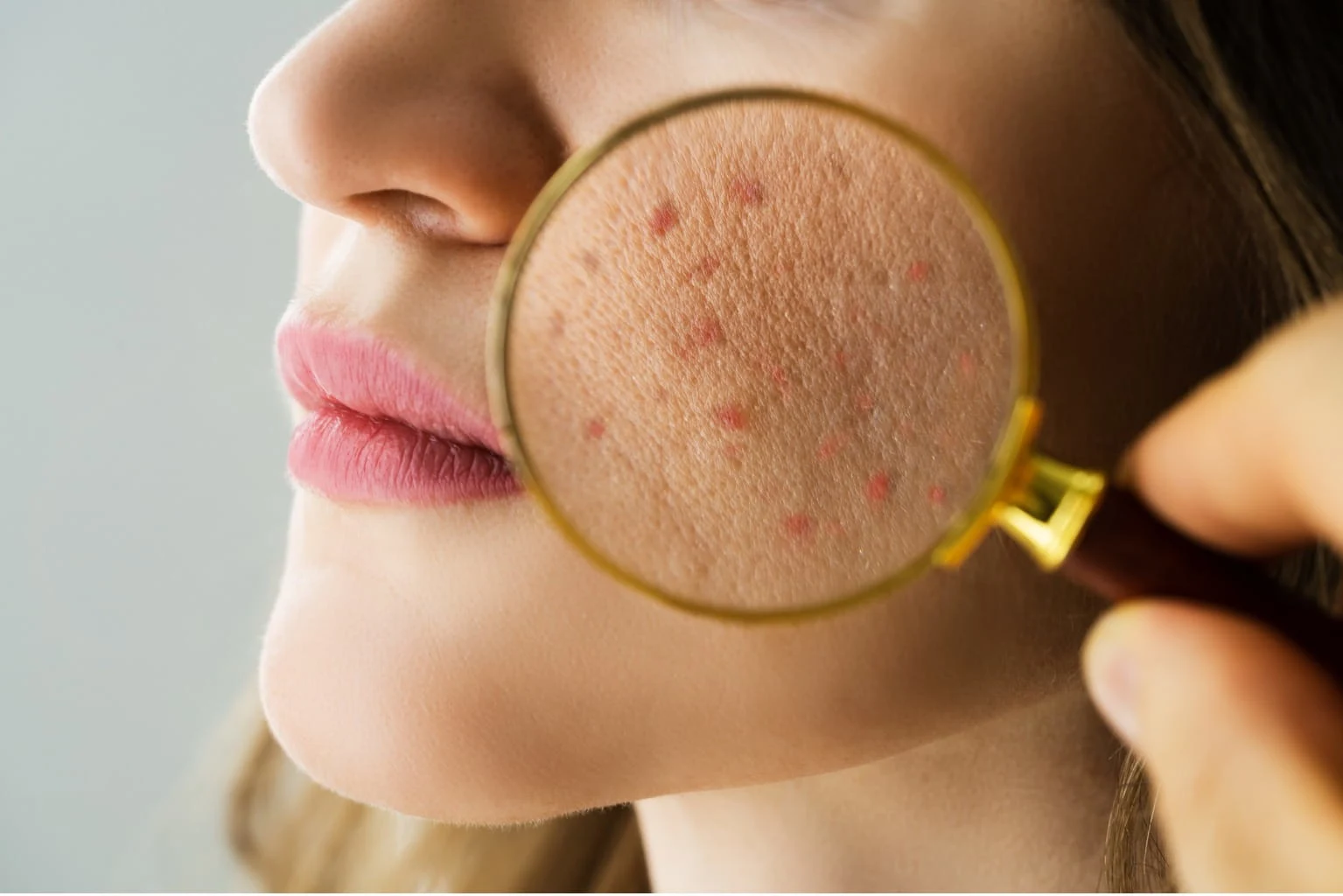
Inside the dermatology treatment room at Vedara Care, JVC.
Choosing a Carbon Laser Peel Provider in JVC
How to Choose a Provider
A few practical things worth checking before booking anywhere in JVC: Qualified professionals performing or directly supervising the treatment; appropriate, well-maintained laser equipment; a genuine skin assessment before treatment is confirmed; customisation to your specific skin type and concern; visible hygiene and safety standards; transparent pricing; clear aftercare guidance; realistic expectations set from the start; and genuine reviews.
Red Flags to Watch For
Be cautious of any provider promising permanent results, a guaranteed acne cure, permanent pore removal, instant total transformation, zero possible side effects, or identical results for every patient — none of these claims are medically honest. Unclear staff qualifications and a lack of any real skin assessment are also major warning signs.
Carbon Laser Peel Before and After
Genuine before-and-after documentation should be built on real patient consent, authentic and unedited photographs, and consistent lighting and angles. It should also come with an honest disclaimer that results vary. If a clinic’s before-and-after imagery looks dramatically different in lighting, angle, or filter, that’s a reasonable reason to be skeptical.
When Another Treatment May Be More Appropriate
Carbon Laser Peel isn’t the right tool for every concern. Persistent or active acne, deep acne scarring, significant pigmentation concerns, severe inflammatory skin disease, deep wrinkles, and significant skin laxity are all situations where a different treatment — or a full dermatology evaluation — is generally more appropriate than a cosmetic laser peel.
COMMUNITY LOCATION
Why Location Matters for JVC Patients
Carbon Laser Peel Cost in JVC
Dermatology Skin Assessment
Upon Consultation
Carbon Laser Peel Session
Upon Consultation
Questions Worth Asking Before You Book
Common questions patients ask about Carbon Laser Peel in JVC.
Book ConsultationCLINIC LOCATION
Carbon Laser Peel in Jumeirah Village Circle, Dubai
NEARBY LANDMARKS
- ✓Located in Binghatti Azure, JVC
- ✓Close to Al Barsha South Fourth area
- ✓Easy access and parking nearby
DISTANCE FROM DUBAI COMMUNITIES
Important Information
Medical Disclaimer
This page provides general information about Carbon Laser Peel and does not constitute medical advice. Suitability for this treatment varies from person to person, and results differ between individuals — nothing on this page should be read as a guarantee of outcome. A professional skin assessment is recommended before undergoing treatment. Cosmetic treatments such as Carbon Laser Peel do not replace appropriate medical dermatology care, and patients with persistent, painful, or concerning skin problems should seek a full professional evaluation rather than relying on a cosmetic treatment alone.
BOOK A SKIN ASSESSMENT
Discuss Carbon Laser Peel in JVC With Vedara Care
If you're trying to work out whether Carbon Laser Peel is the right fit for your skin, the most useful next step is a direct conversation rather than guesswork from an article. At Vedara Care Polyclinic, our dermatology team can assess your skin, talk through your concerns, and give you an honest view on suitability, expected results, and aftercare.
EXPLORE MORE
Related Dermatology Services
Acne Treatment in JVC
For patients with active acne, a dermatologist can recommend appropriate treatment alongside or instead of Carbon Laser Peel, depending on the skin condition.
Learn moreChemical Peel in Dubai
A professional exfoliating treatment that may help improve uneven texture, pigmentation, and selected skin concerns.
Learn moreSkin Rejuvenation in JVC
Personalised skin rejuvenation options designed to support smoother texture, improved tone, hydration, and overall skin appearance.
Learn moreDermatology Clinic in JVC
Get professional skin assessment and personalised treatment recommendations from our dermatology team in Jumeirah Village Circle.
Learn more